
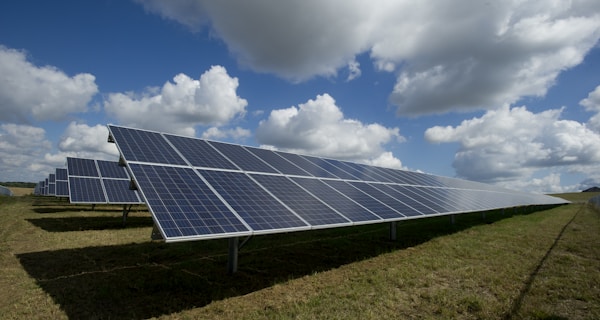
The global web hosting industry requires significant electrical energy to power server hardware, network switches, and datacentre cooling systems. As internet traffic grows, reducing the carbon footprint of this infrastructure is an important consideration for modern businesses. In this guide, we will discuss **why green web hosting matters** and how it supports corporate sustainability.
Migrating to green web hosting allows businesses to align their IT operations with environmental standards, helping reduce carbon emissions without affecting site performance.
1. The Carbon Footprint of the Web Hosting Industry
Global datacentres and communications networks consume significant electricity, contributing to global greenhouse gas emissions. Much of this energy is used to power servers and run cooling systems to prevent hardware degradation.
By hosting your website on energy-efficient infrastructure, you can help reduce the demand for carbon-heavy energy sources and support sustainable practices in the technology sector.
2. Benefits of Sustainable IT Operations
Choosing green hosting offers several benefits beyond environmental considerations:
- Corporate Responsibility: Helps businesses meet sustainability goals and demonstrate environmental commitment to customers and partners.
- Brand Differentiation: Aligning with sustainable providers can differentiate your business in eco-conscious markets.
- Operational Efficiency: Green datacentres utilize modern cooling and power distribution systems, which can reduce operational energy costs.
3. Selecting a Green Hosting Provider
When choosing a green hosting provider, look for certifications and efficiency metrics. Assess whether the provider's datacentres run on renewable energy or utilize Power Purchase Agreements (PPAs) to offset emissions, helping ensure their operations align with environmental standards.
| Environmental Impact | Traditional Datacentre | Green Datacentre Environment |
|---|---|---|
| Primary Energy Source | Fossil fuel-dependent power grids | Renewable energy offsets, solar/wind partners |
| Cooling Technology | Continuous air conditioning chillers | Ambient outside cooling, liquid immersion |
| Power Usage Ratio | High PUE (1.6 - 2.0) | Low PUE (1.1 - 1.25) |
| IT Resource Management | Under-utilized servers left powered on | Virtualized resource isolation and scaling |
Frequently Asked Questions (FAQ)
How do I know if a host is green?
Green hosting providers typically display certifications or details about their sustainability programs, such as Renewable Energy Certificates (RECs) or partnerships with carbon offset organizations.
Is green hosting more expensive?
No. Energy-efficient cooling and hardware designs help datacentres reduce utility costs, allowing providers to offer green hosting plans at competitive rates similar to traditional hosting.
Does green hosting support the same features?
Yes. Green hosting plans offer the same features, control panels (like cPanel), security tools, and performance standards as traditional hosting, making the transition seamless for website owners.